
Trekking to Everest Base Camp and the High Passes with Celiac
In October 2024, I set off to Nepal for one of the world’s most stunning and most popular treks: 20+ days exploring the Khumbu Region across the three high passes and to EBC (Everest Base Camp) all while gluten free because I have Celiac disease and that’s how my life goes.
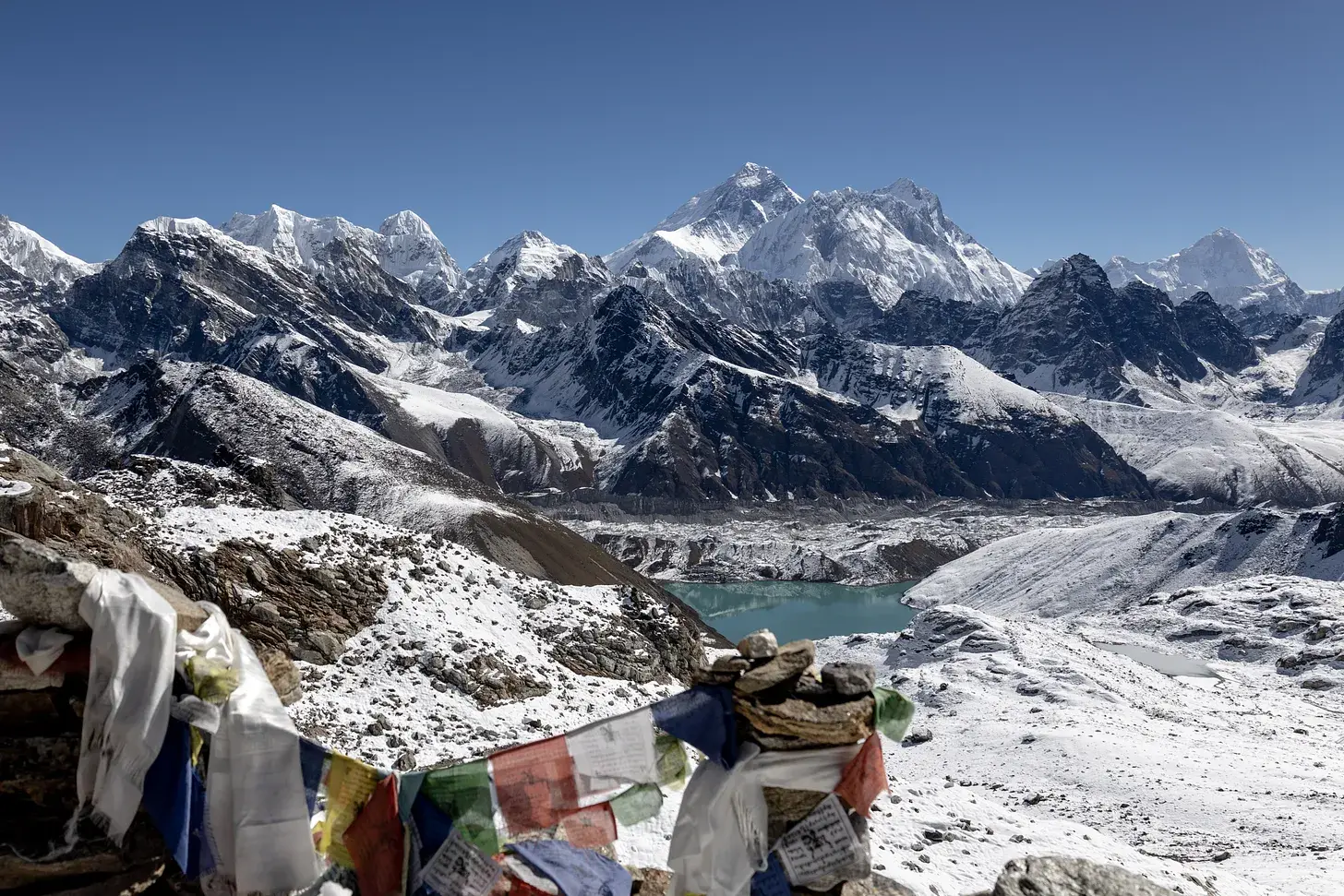
In theory, Nepal should be perfect for us gluten free eaters. Many dishes are naturally Gluten Free, especially Dal Bhat, the staple of any trekker/climber’s diet, much less the locals. But in a place where meat is generally out and cheap, light, shelf-stable food is quite logically in, so it’s no surprise that gluten has most certainly made its mark as a regular food across every small Tea House and crowded kitchen. Still, despite the cross contamination risks, knowledge gaps around Celiac, and the limited menus, I am here to tell you that if EBC is on your list, it is completely doable, or at least the food part is, the rest is up to you!
How I ordered gluten free on my trek
I’ve hiked extensively, even climbed my fair share of mountains and have a nice collection of fancy certifications around mountain life but when it came to planning my Three Passes trek, I had no desire to both sort out the logistics, the route, and brave the food all on my own, so I found a guide. There are many, many reputable guiding companies out there though I certainly encourage anyone to pick a local provider, or at least an established international shop who has a strong local relationship.
Looking for an operator, I made sure Celiac / Gluten Free familiarity was part of my selection criteria. Though no one was advertising a celiac-specific trek, I did find several places who recognized food allergies on their websites and felt like a good initial vibe match. Once I did find a provider (Highland Expeditions), I emailed them to confirm they were ok, and up for my needs. Meeting up in Kathmandu before the trek, we discussed it in detail, talking about what Celiac really meant as I knew my guide would be my direct connection to safe eating, and to dealing with me if anything went wrong (it did not!).
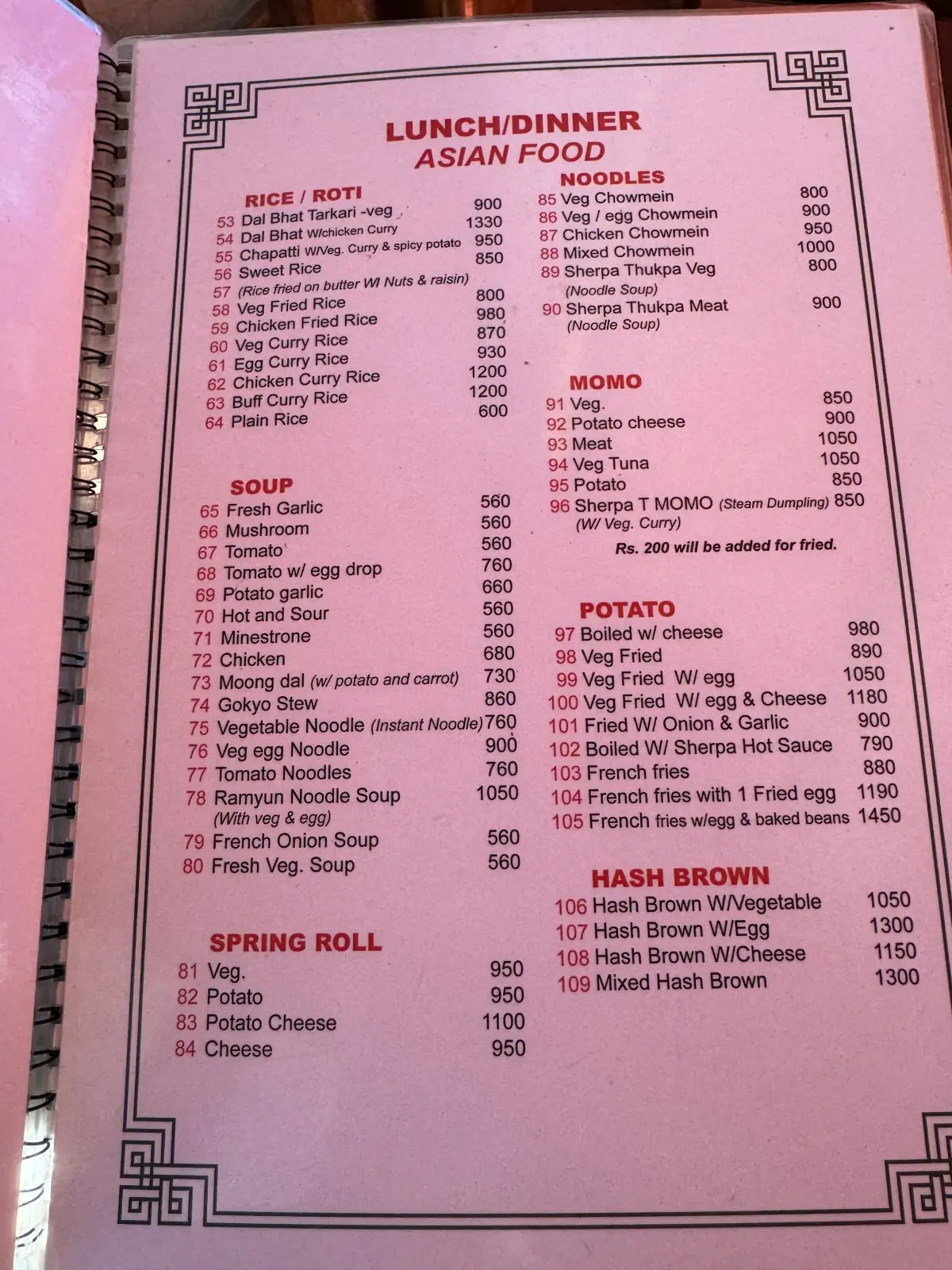
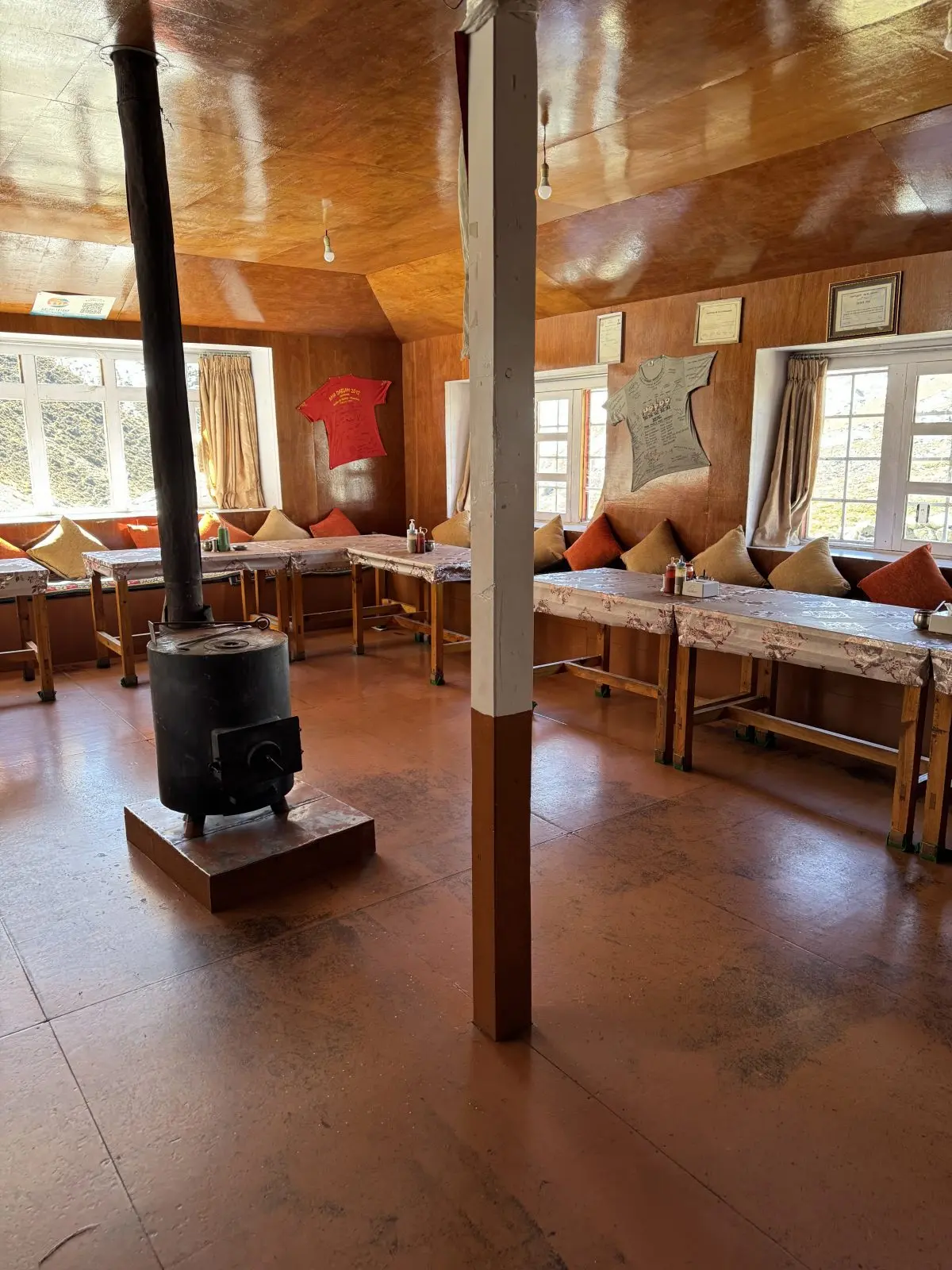
Once you’re on the trek, almost every meal and snack comes from local tea houses, either the one you are staying at for the night or one you visit for lunch along the day’s path. If you go with a guide, they double up as a waiter, which is an odd experience, but just how it works. The upside of this was that my guide obviously understood my Celiac needs from the start and especially so after my questions and pauses on the first couple meals. He would translate anything uncertain and caught dishes with a few suspect sides a few times, subtly (but not that subtly Jeet!) passing them off to someone else.
If you go without a guide, you’ll order yourself obviously, and while GF/Celiac probably won’t register much, “no bread” certainly makes sense.
What I mostly ate: Dal Bhat
There is a saying on the trek: “Dal power, 24 hour…” and then goes on from there. I’ll leave the rest to you to learn when you trek but basically the saying is all about how you should eat Dal Bhat and basically nothing else and for good reason. The staple of the local diet and trekkers, Dal Bhat, is lentil curry soup (the “Dal”) with rice (the “Bhat”) and usually comes served with some veggies/potatoes. It’s full of energy, flavor, safe from the risks of spoilage when days from refrigerators, and best of all for us, naturally gluten free. You could, and probably just about should, spend the trek eating Dal, and I certainly had it at least once a day. Post over.
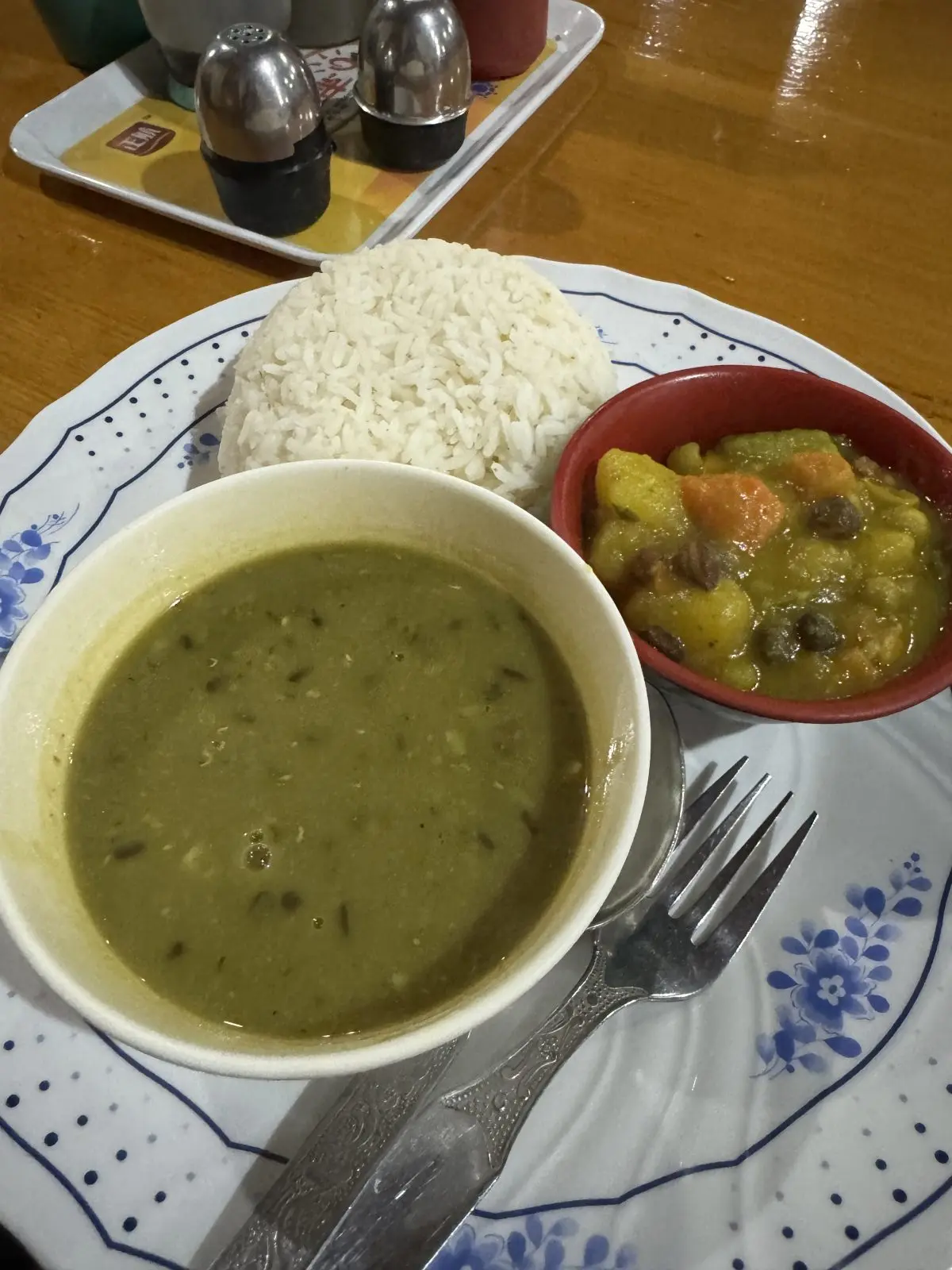
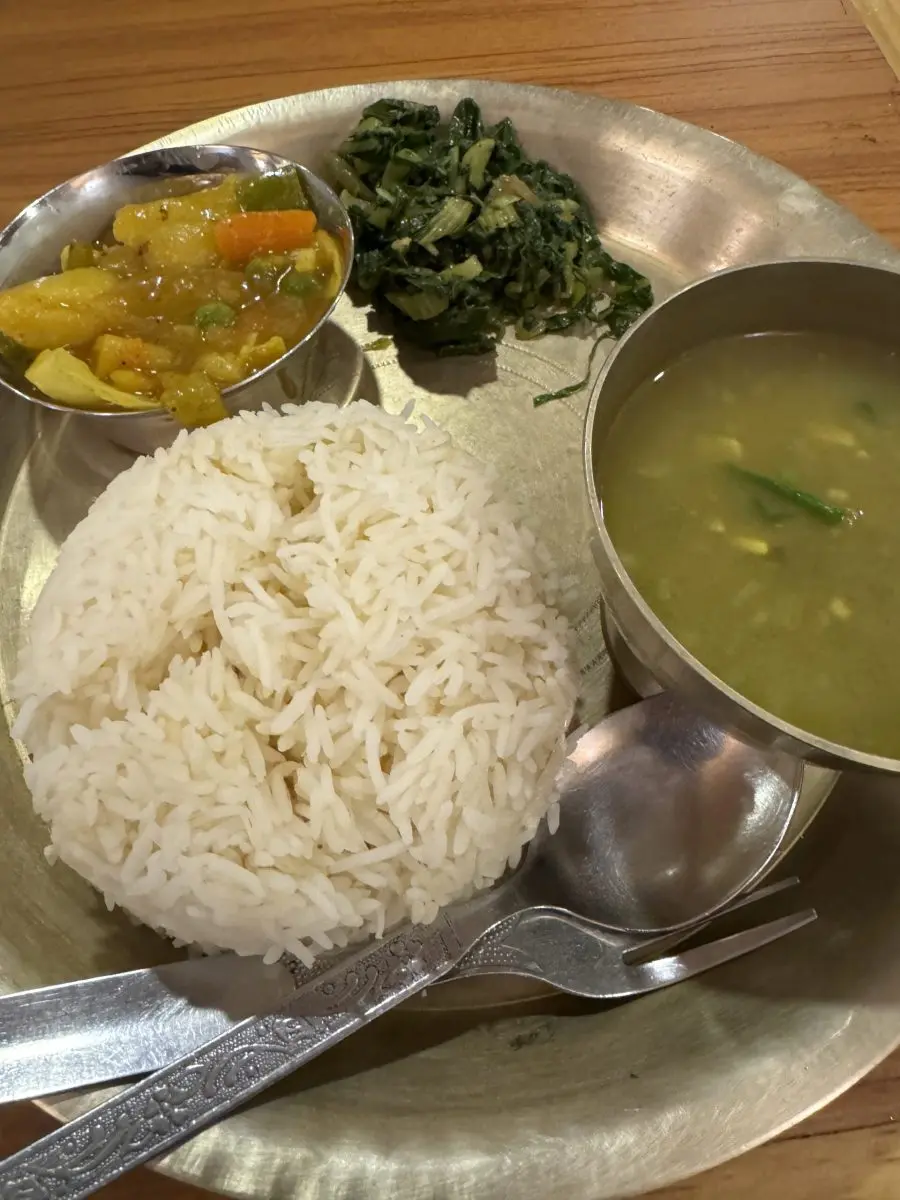
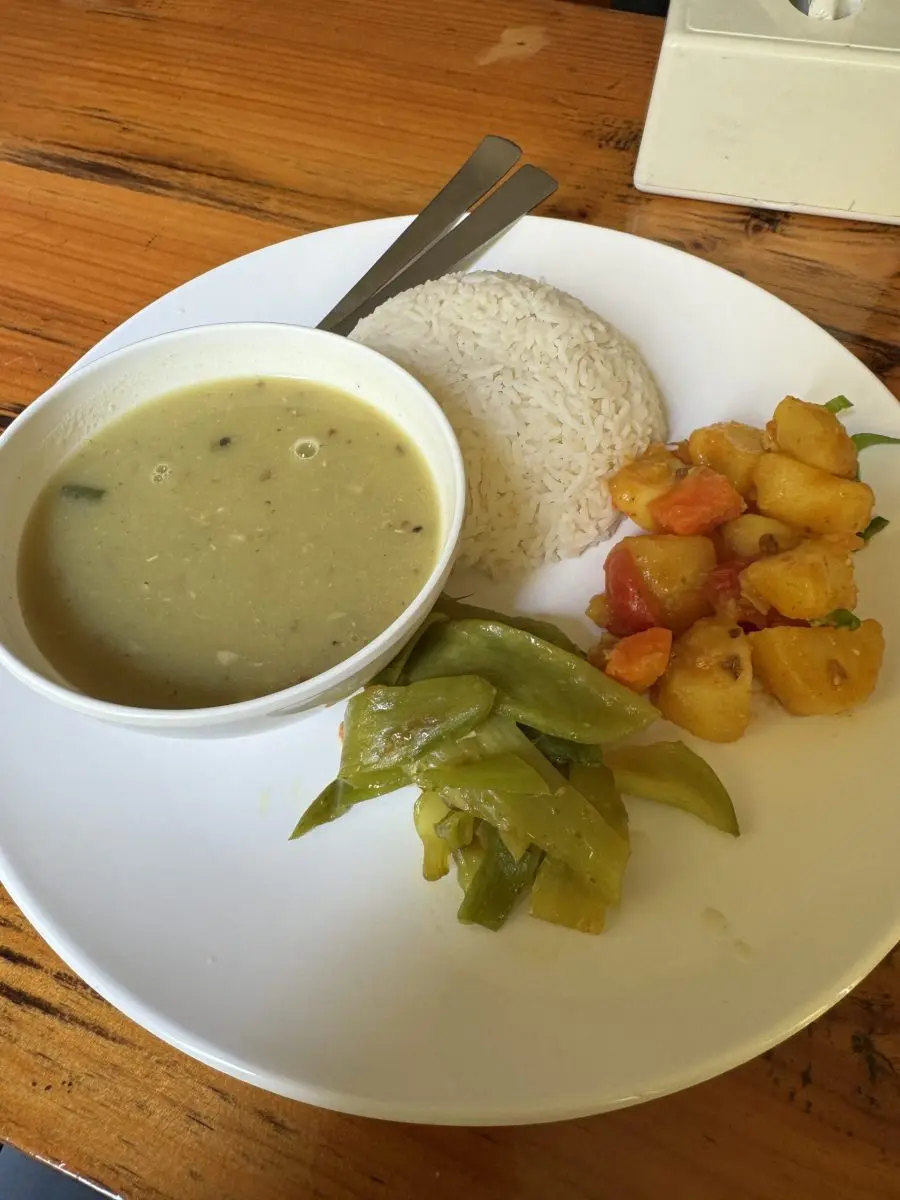
Beyond being the staple dish, it’s also the best value, Dal is served with nearly unlimited refills and even on a day where it’s a struggle to eat, a second side of rice almost always went down. Like I said, I had Dal every day, often twice. As for the gluten free component, the risks are low but not zero as while Dal may be GF, it’s made in a small, shared kitchen. It’s also sometimes served with crackers or bread or a bit of fried something so best to clarify every time, just in case.
The only real issue with Dal was repetition, well that and the lack of protein. Even on a short EBC trek, Dal for every meal every day is going to get dull for most of us. Don’t get me wrong, it is absolutely delicious and every single Tea House I went to made it a bit differently with flavors all their own, but it’s unlikely you’ll actually stick with it every meal, though I did come close.
What I also ate: Potatoes and eggs and veggies
Once you pass Namche, the major town on the trekking route, things get rather remote real fast, especially on the three passes route and away from the crowded “highway” that is the EBC direct path. Even still, Tea Houses do a remarkable job, going so far as to have printed menus, usually with a few pages of options.
Since meat is basically a no go, most dishes are simple variations of the same core ingredients. Beyond Dal, eggs, potatoes, and vegetables are common, reliable, and obviously generally safe for us. For others, bread (“Gurung Bread” I believe, and generally fried) is a staple item and there can be pastas, pancakes, even cereal, depending on where you are (everything has to be carried up by human or by donkey) and how fancy the Tea House is.
The food is fresh, most everything is grown in the lower villages around the trekking route, the flavors were great, but to be perfectly honest, it was hard seeing plates with pancakes pass on by as I ate my 20th omelet of the trip and even trekkers without restrictions told me they got “bored” of the menu a few days in. But you adjust.
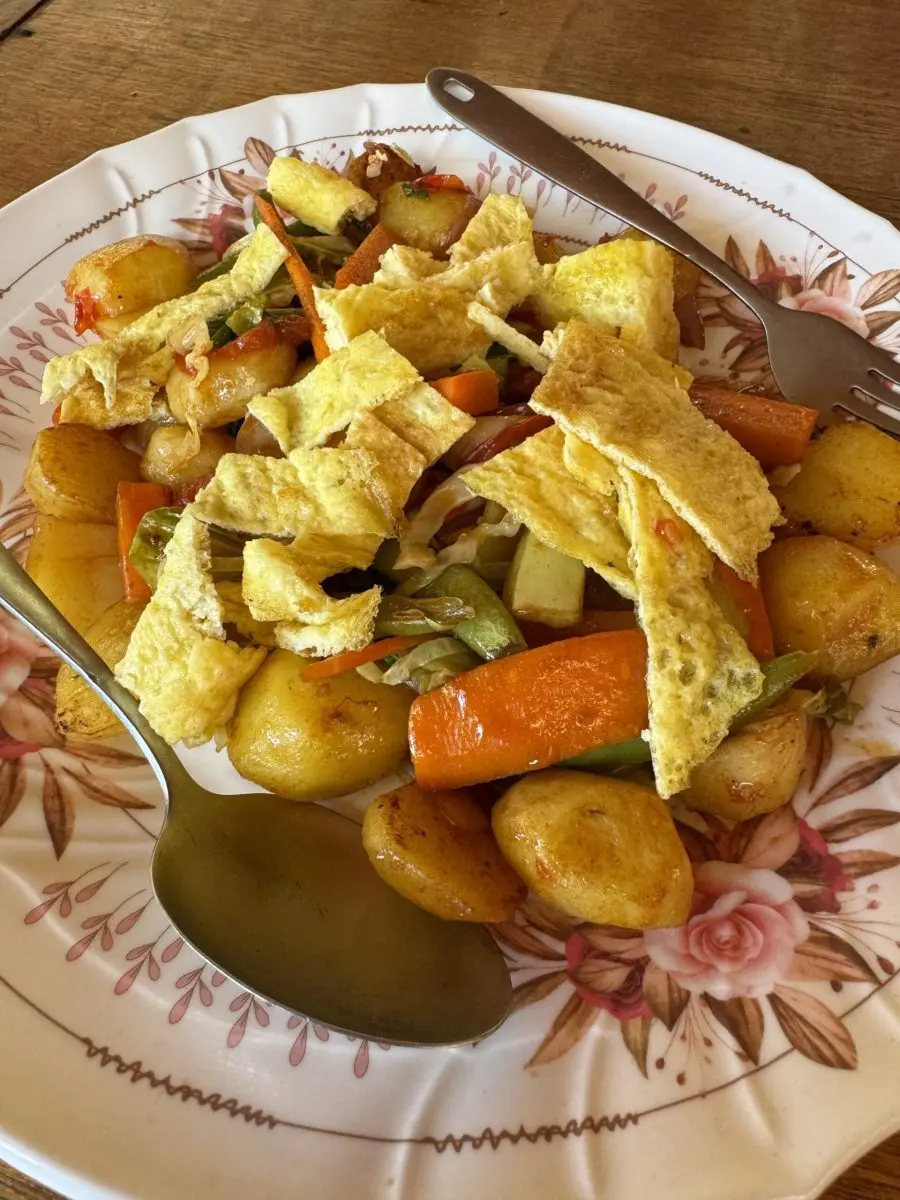
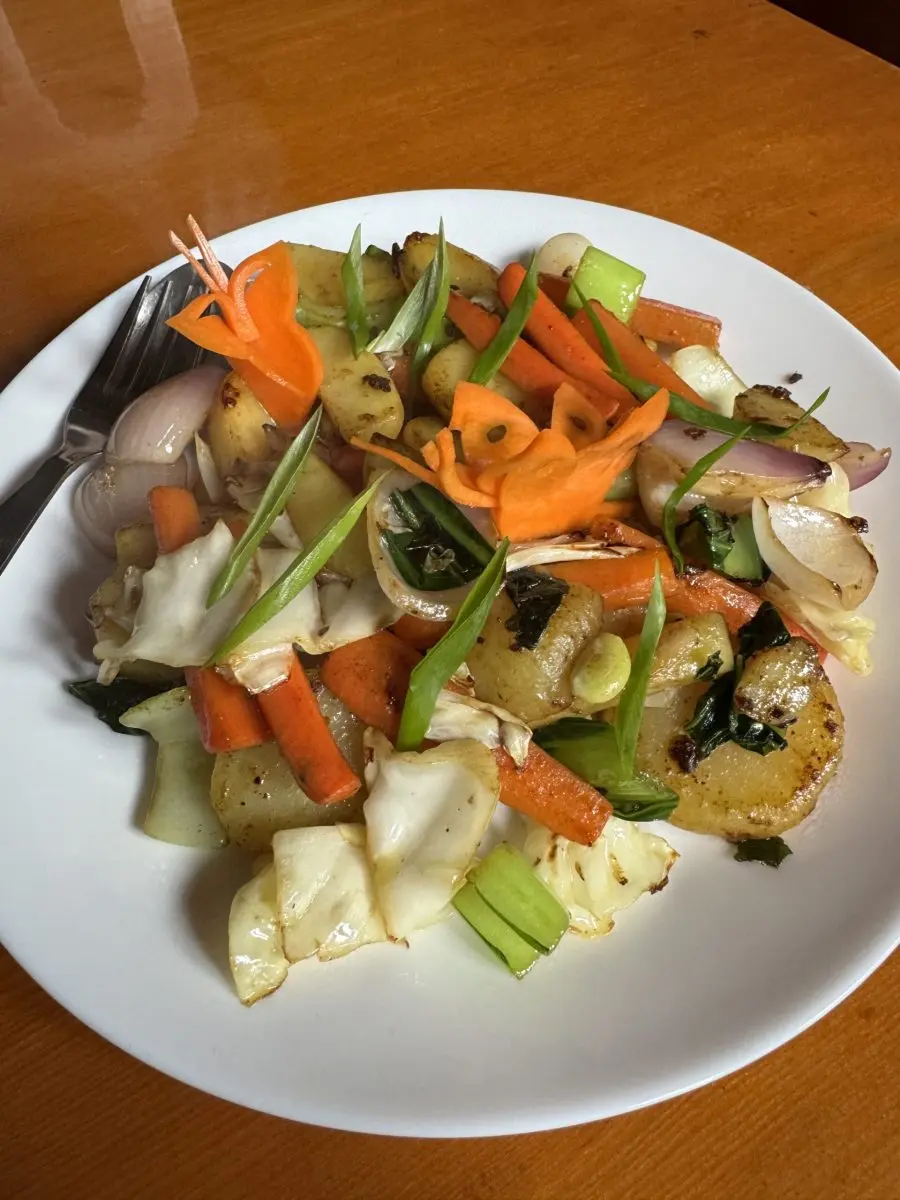
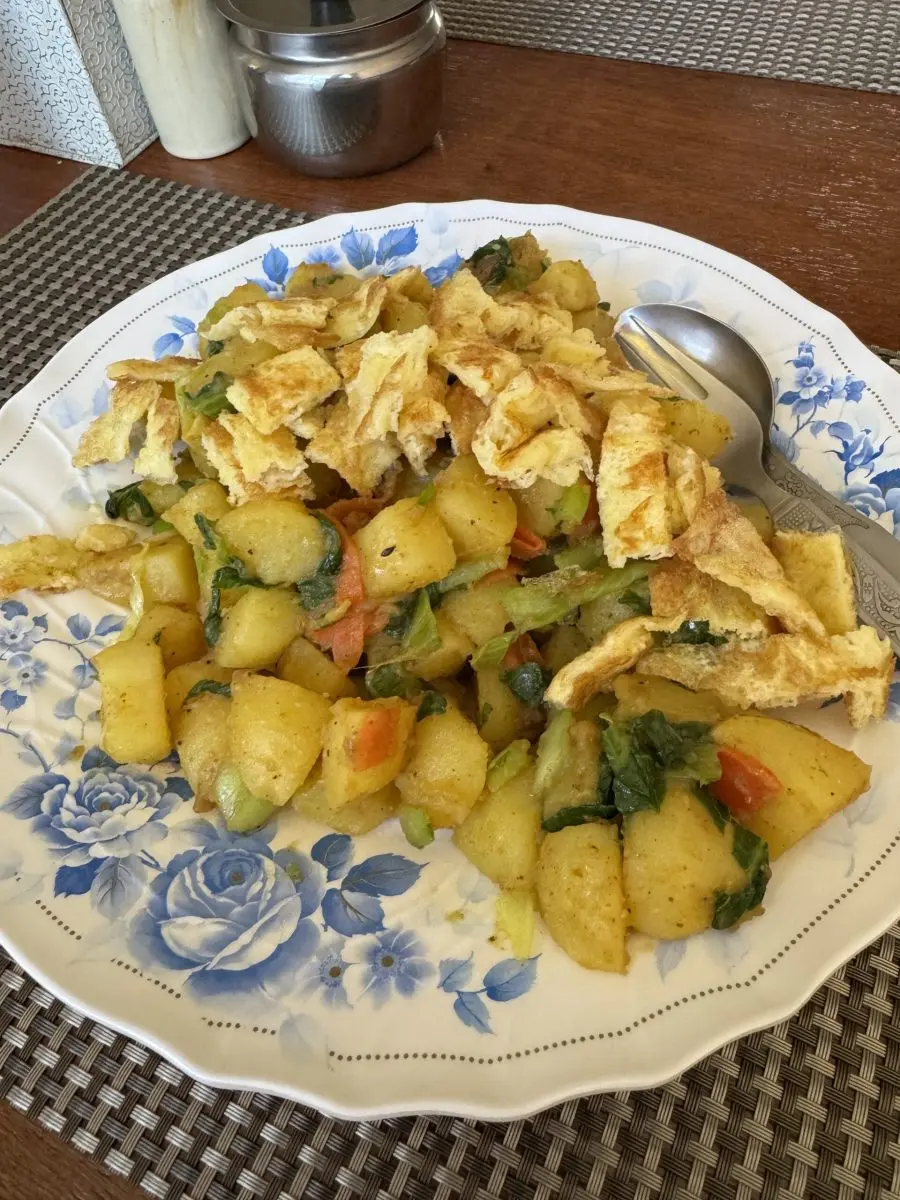
For breakfast, I was rarely hungry and would usually go with eggs of some sort, whether hard boiled or fried or in an omelet. By lunch, and with a good bit of the day’s hiking done, sometimes even all of it, I was ready for more and would either have Dal Bhat or switch it up to potatoes and vegetables or potatoes and eggs, always looking for a slightly different take on the same thing. Dinner was usually back to Dal, and a push to get through 2 or even 3 servings if I could manage it.
A few weeks without meat wasn’t an issue though the drop in protein was real. But what I really missed, and probably my biggest struggle, was a lack of basic carbs. While I had plenty of rice, and I did spot buckwheat pancakes once but wasn’t brave enough to investigate the safety of the “flour” (if you are unaware, buckwheat does not actually contain any wheat / gluten despite the name, but it can of course be mixed in some blends, or prepped with normal pancakes so it takes some questions) high altitude suppresses my appetite and the simple foods I can usually force down were seldom found in a GF safe version.
Snacks and supplies on the trek
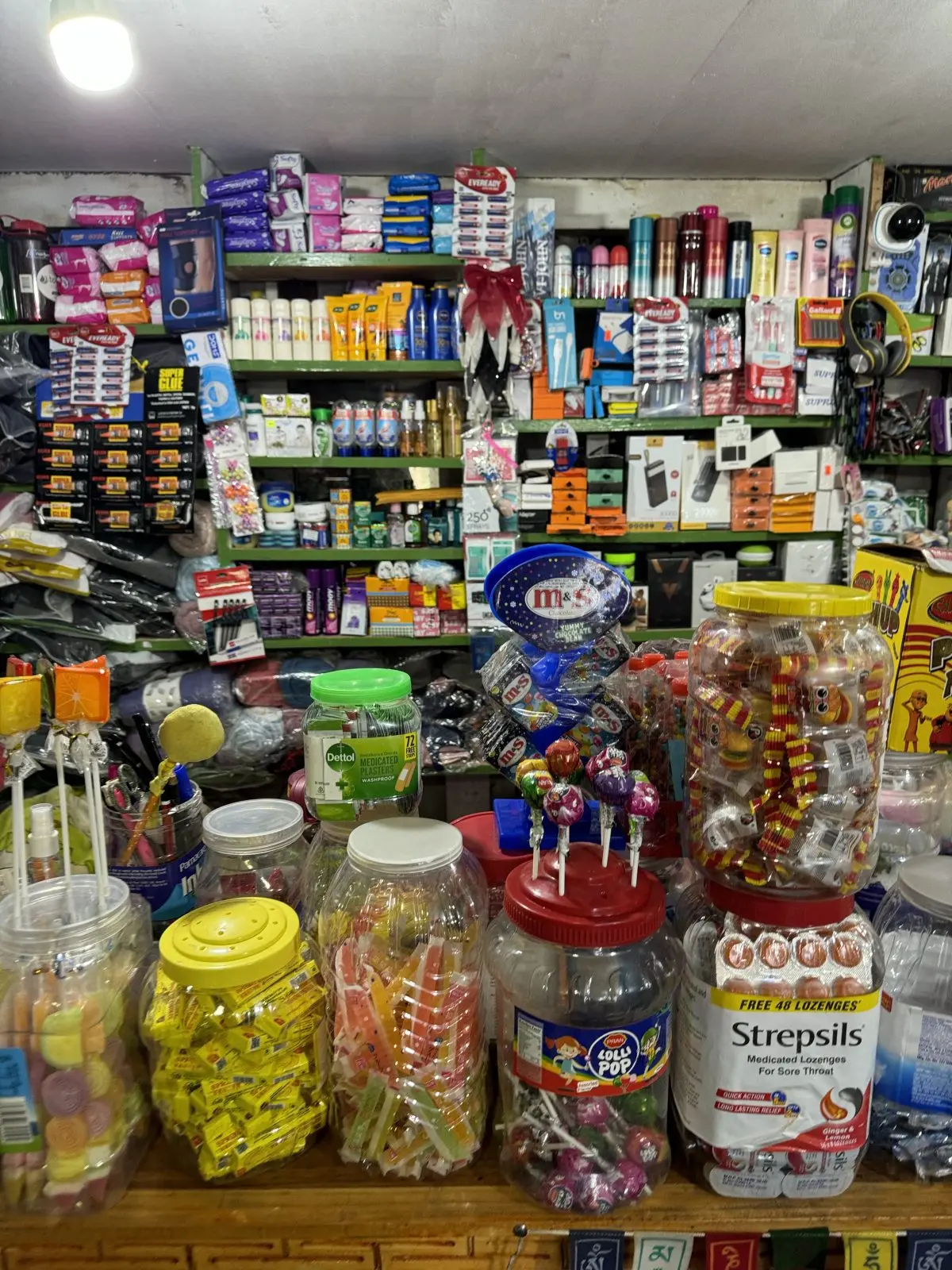
I feel very lucky that my only real issue with the altitude and indeed my only real issue on the trek was a diminished appetite. To help combat that, I was diligent about adding in whatever safe snacks I could find, anything to force in some higher calorie, higher fat bites along the day. Because everything is basically human packed up, options are limited, repetitive and not particularly gluten free friendly, so again, I often had to look longingly as people snacked on cookies or chips I couldn’t touch.
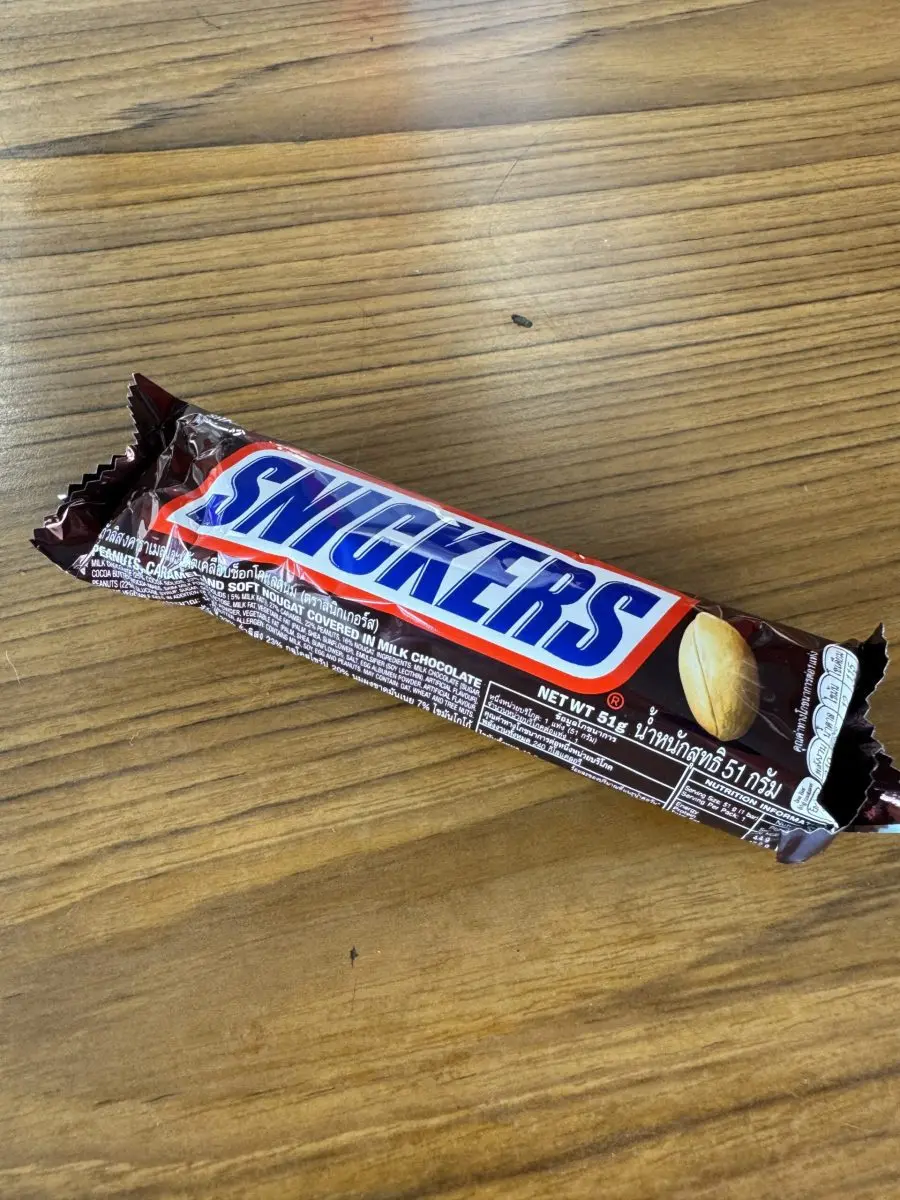
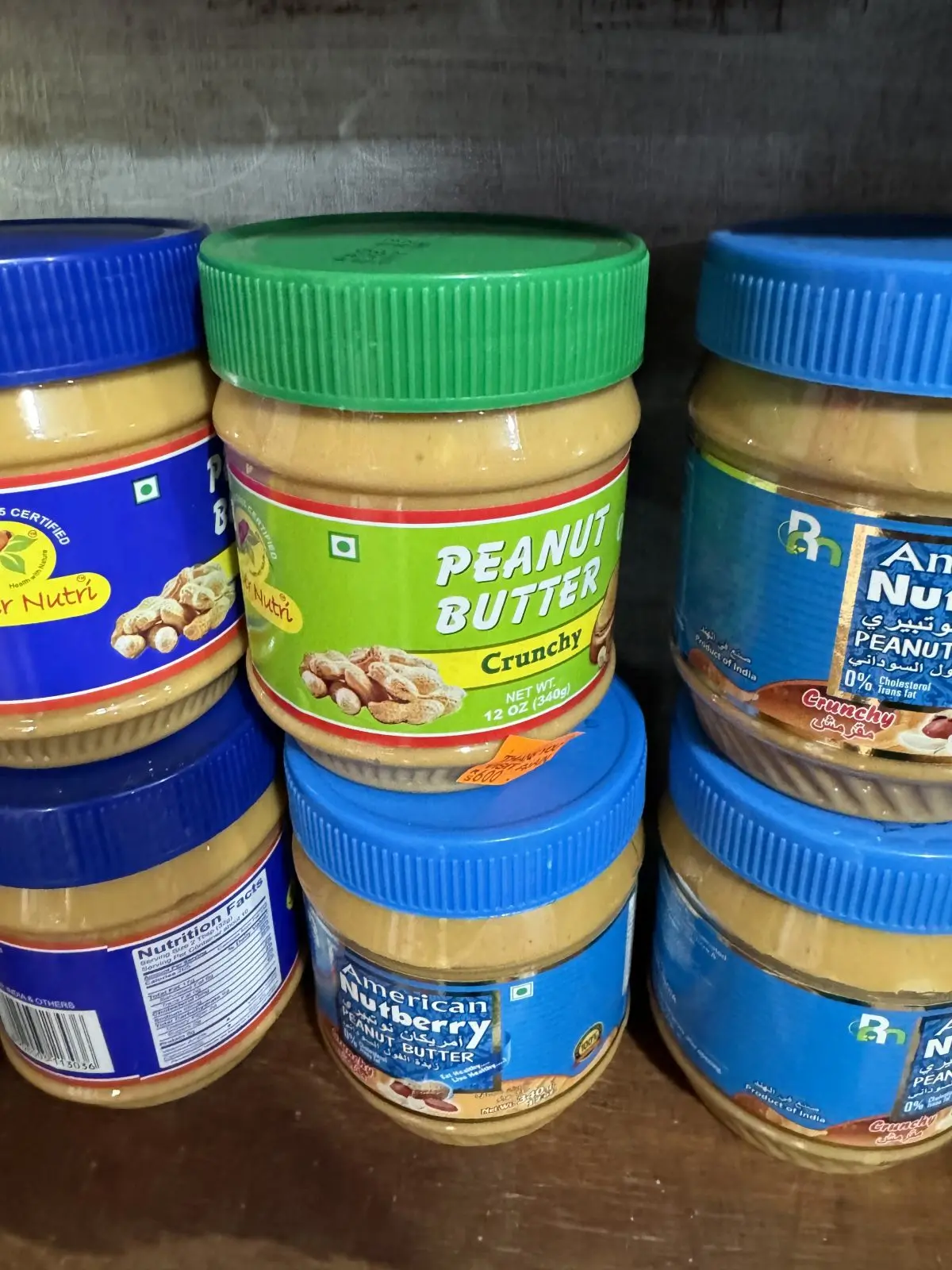
What I did find all over the trek was Snickers bars and while not strictly GF labeled, they are generally fine. I ended up having at least one a day, even making a price index of how much they cost me as I got further and further from civilization (hint: never all that much). In the bigger towns like Namche and then on the EBC “express”, I did find more options as well, including Reese’s king sized cups, and some GF marked chips which were a wonderful variation and worth the extra cost.
I also supplemented my Tea House meals with a few items from home. I brought enough Jelly Belly Sport Beans (basically Jelly Belly candy but theoretically with a bit more performance things infused in) to have one every day, along with a couple Justin’s Peanut Butter packets, some GFCO Oatmeal Packets (I’ve since had to stop eating oats altogether but did fine with them there) and Gatorade zero packets (I now use DripDrop or Liquid I.V., more kick and it’s certified). It was a good little collection but in hindsight, it wasn’t enough, and if I was to go back, I’d step up the stash, work in a few powdered carbs, some light GF cookies, maybe even a loaf of GF bread from Kathmandu for the first few days. You will want options and you will need more calories.
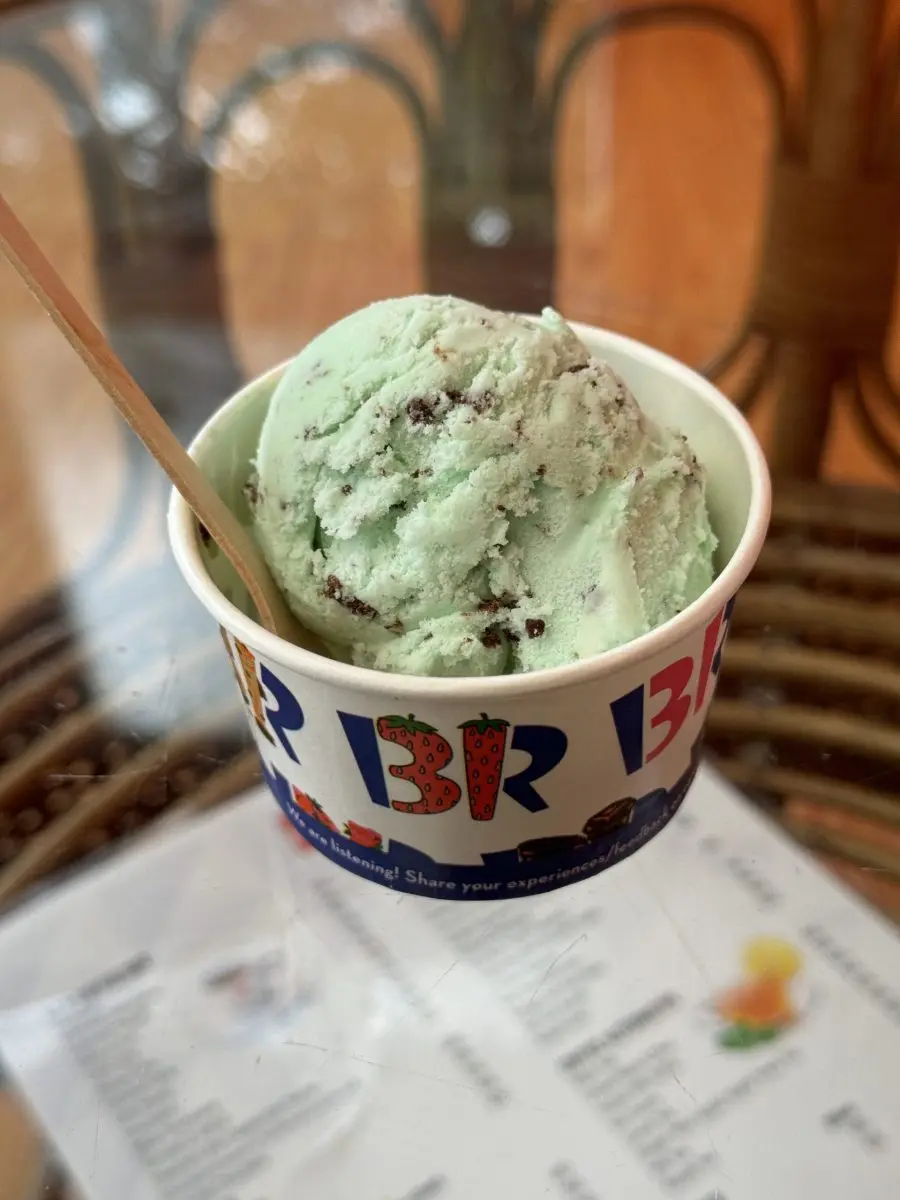
I was delayed in Lukla (the city you fly in and out of) at the end of the trek for a few days due to weather and while I mostly skipped restaurants, sticking with the Dal that had served me well for 20 days so far, I did discover a spot selling Baskin-Robbins (there’s also one in Namche apparently). It was almost too unbelievable and while not strictly a GF spot, I took the gamble twice, with no issues, except utter bliss.
Some final thoughts on a GF trek
There are few reports of people trekking Everest gluten free and indeed one of the main reasons I started this site was to share my experience in Nepal as I firmly believe we can do most anything, but it’s much easier with a little help from others.
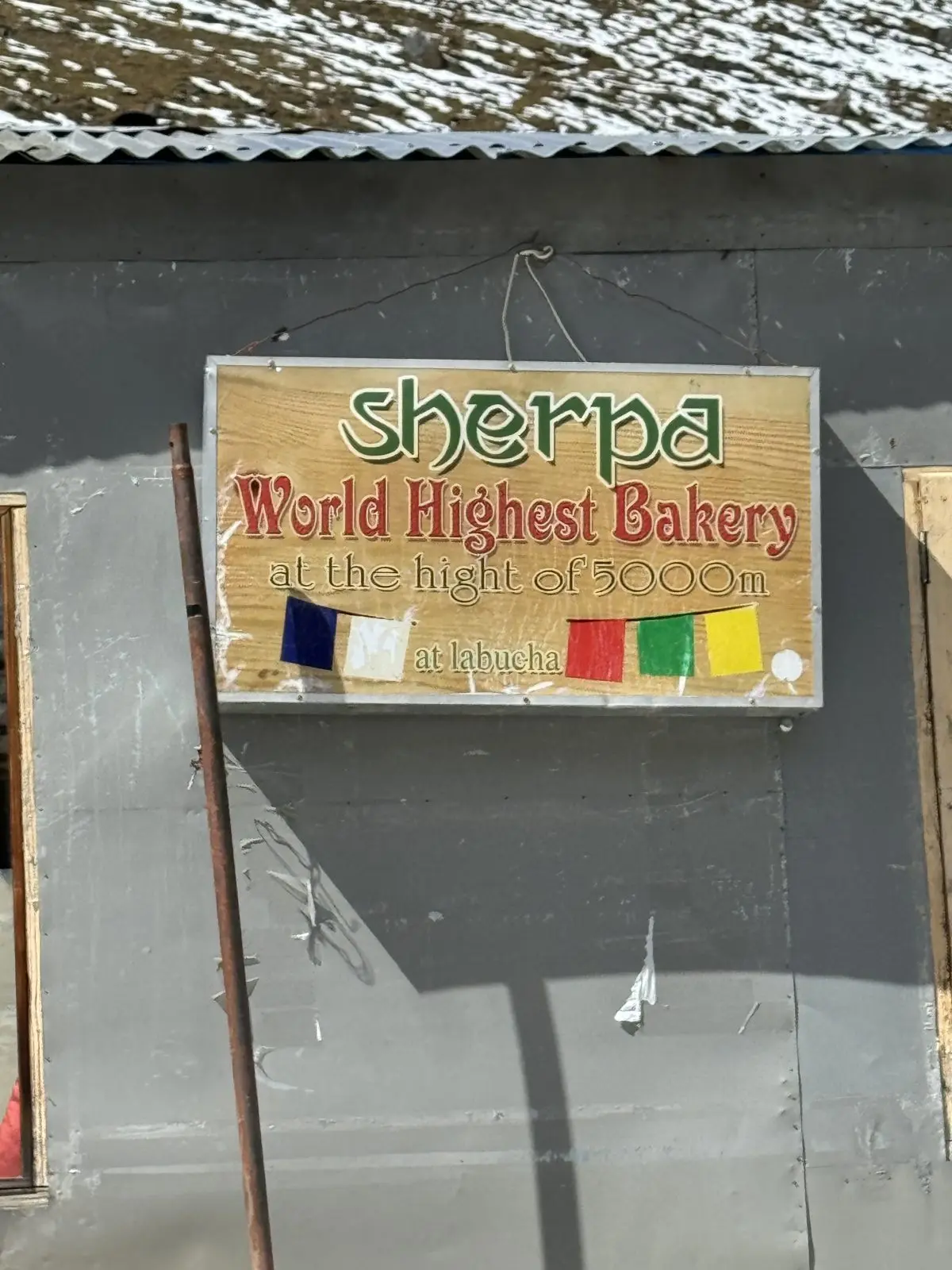
With Celiac being fairly unknown and the varied reactions we can all have, approaches rightfully differ. In the few reports I have seen, I’ve heard of people packing in every meal, which is fair, but I don’t think required, unless you have compounding restrictions. Still, and as I said, I would pack in more to supplement. I had no stomach issues, except a minor moment after eating some fries that I suspect was more the fried and less the gluten as they were done in fresh oil and a pan, but I did lose a scary amount of weight for just 20 days and was consuming anything safe in sight for days in Kathmandu after the trek ended.
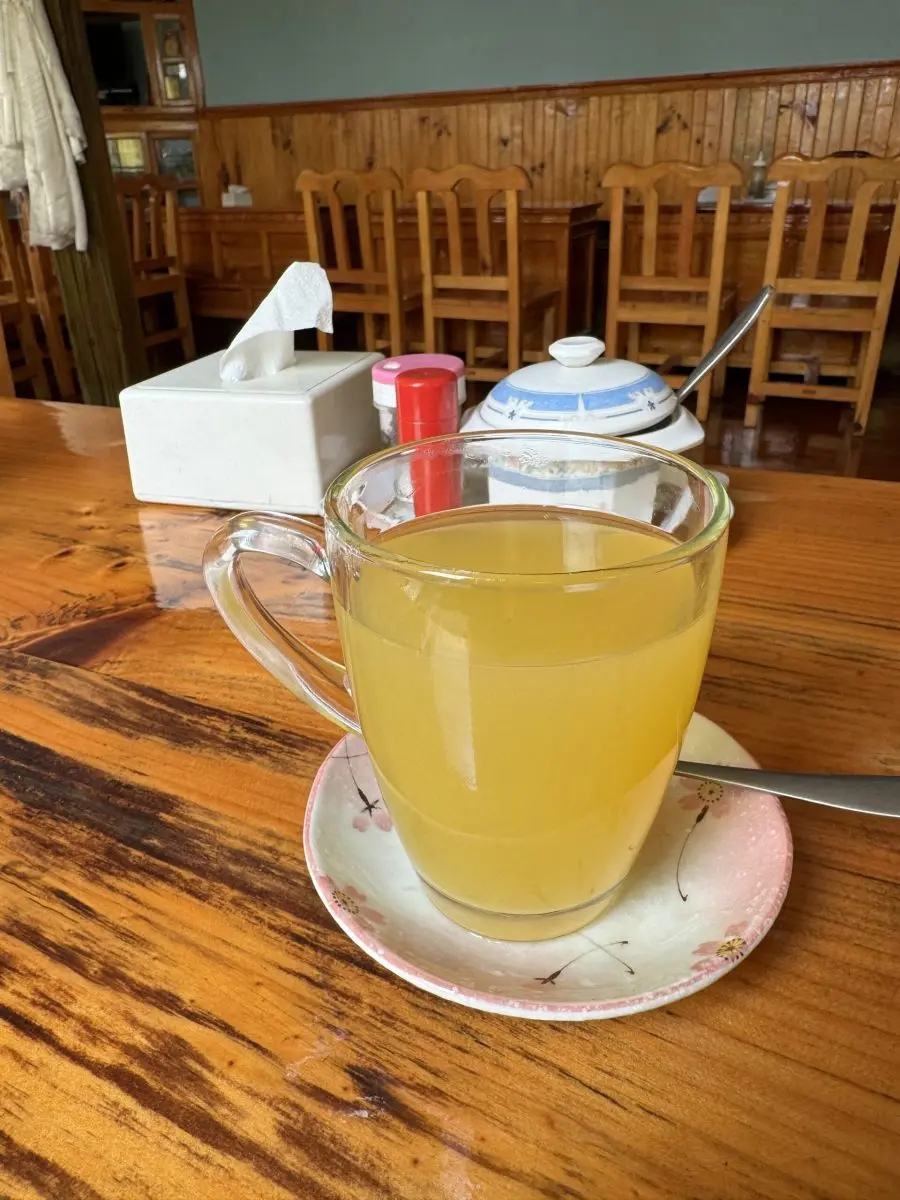
Beyond strictly Celiac things, but things that may impact us just the same, Tea Houses presumably get their name from all the tea they serve. You need to hydrate, so drink the tea, it’s fine, or at least the simple flavors are. You should bring a healthy supply of stomach and non-stomach medicines along whether gluten sneaks in or something else (you can pick up almost any common med in Kathmandu and many even in Namche but to keep it GF, I brought trusted ones from home). Also, be sure to treat the water you drink or get it boiled (bottled only when you must). I used a rechargeable SteriPEN most of the time which was easy, fast, and sure beats debating is it gluten or is it giardia.
How it all went
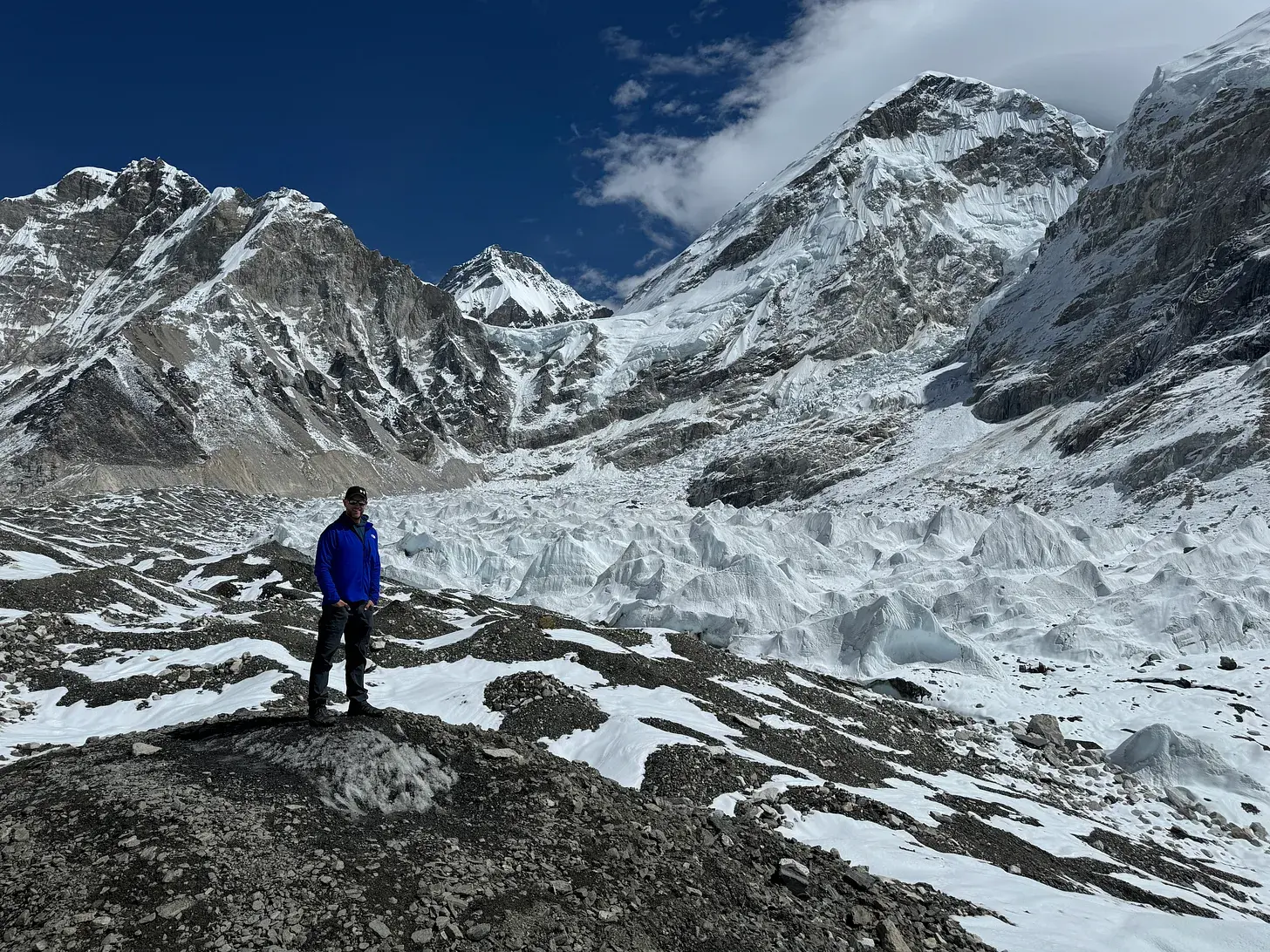
As we all know, there’s no great test for gluten exposure and symptoms can be an imperfect science, especially at 18,000′ and after 8 hours of walking but I can say that I felt like I had no obvious gluten issues and hardly any issues at all, save for those damn fries. Nepal was amazing, the trek was incredible, and it really wasn’t all that hard to navigate by just sticking to what worked. 12/10 adventure, with an asterisk for getting bored of the same great food (6/10 Celiac rating).
You can also read my city guide for Gluten Free options in Kathmandu.